Corbett's Elephant Population and Human-Wildlife Conflict: Latest Conservation Efforts
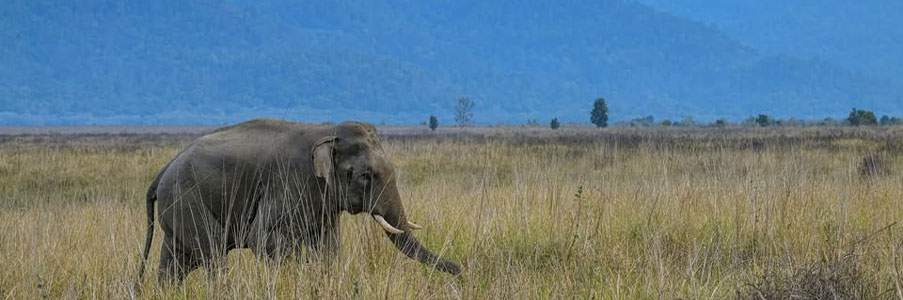
Among India’s wildlife sanctuaries, Jim Corbett National Park is well known for its large numbers of tiger populations. The elephants too have a good population, which is growing in number in Corbett’s forested areas, spread in the lower foothills of Uttarakhand. These areas form important elephant corridors through which these majestic creatures migrate from forest to forest, searching for their feeding and drinking grounds and their breeding grounds.
Human-Wildlife Conflict in Corbett
Given the proliferation of settlements at forest edges in Corbett, human-wildlife conflict is a conservation crisis that is on the rise in the area. Elephants are intelligent, gregarious, and social beings who range in herds across wide areas. In Corbett, they are essential members of the ecological community who play vital roles as seed dispersers, vegetation modulators, and contributors to the overall ecological stability of the Corbett National Park ecosystem. Unfortunately, as they range beyond the park borders, they often come into close proximity with human dwellings, fields, and transportation routes, which results in a range of human-wildlife interactions from crop damage to property damage and, in unfortunate instances, threats to the lives of both people and elephants. To experience this hassle between the people and wildlife, you must have done your Corbett National Park booking prior, as in peak months the availability of safaris is limited.
Why Elephant Conflict Happens in Corbett
Habitat fragmentation is another major source of human-elephant conflict. Roads, resorts, and fields are encroaching on traditional elephant corridors, making them more inaccessible and constricting their movement. Elephants are known to move into villages in search of food and water when it gets dry in summer. They might also stray into human habitats while moving between dry season and post-monsoon feeding grounds. Such situations often breed panic among villagers and could invite reprisals.
Latest Conservation Efforts for Elephant Protection
To combat these problems, a number of steps have been implemented by the Forest Department and conservation organizations. Providing security to the elephant corridors and the restoration of such corridors are among the most significant steps. The elephant corridors provide the facility for the elephants to move from one forest to another without passing through the thickly inhabited areas. The conservation teams are also undertaking to identify areas where conflict is more prominent and using camera traps, GPS devices, and field patrolling to track elephant movements.
Community Awareness and Safety Measures
The community awareness programs are another important intervention that focuses on educating villagers on elephant behaviors and how to respond in a safe and non-confrontational way. In order to inform the communities about movement of elephant groups close to their villages, various watchtowers are maintained along forest boundaries. Apart from these, the rangers are keeping the community updated through phone calls and communication channels within the forest system. The solar fencing and trench barriers have been installed in some locations in order to prevent crop raiding by elephants, which require constant monitoring and maintenance to be effective.
Responsible Tourism in Jim Corbett National Park
Responsible tourism: Tourism can also play a role in conservation efforts. Those visiting on safari should also make sure they obey the rules of the park and are as quiet as possible to ensure that the wildlife is not startled or disturbed. Helping develop ethical tourism can contribute revenue to conservation and promote respect of the park’s delicate environment. All visitors choosing the Corbett Safari Park booking should book their safari with registered providers and comply with forest department instructions.
Conclusion
Corbett’s elephant population is a valuable natural treasure, but protecting it requires balance. Conservation efforts must continue to focus on habitat protection, conflict reduction, and community participation. With the right approach, Jim Corbett National Park can remain a safe home for elephants while also supporting the people who live around this remarkable forest landscape.
About the author