Pre-Monsoon Safari in the Corbett National Park 2026
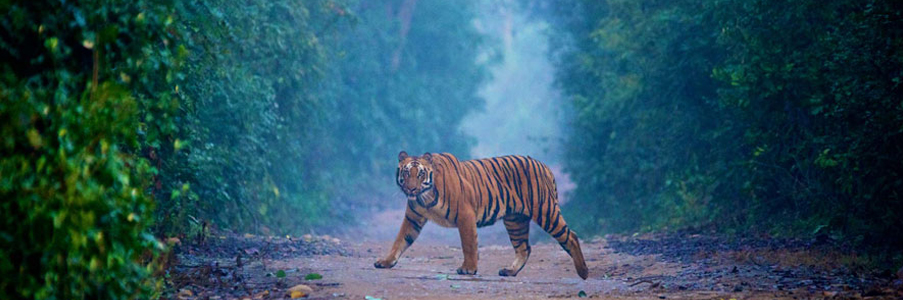
Pre-Monsoon Safari in the Corbett National Park
The pre-monsoon safari usually takes place from April to June. Due to the high temperature before the monsoon season, animals come near the rivers or lakes in their area, and this significantly increases the chances of spotting tigers, elephants, and other wildlife compared to the winter months. Majorly, the core zones like Dhikala and Bijrani are known for frequent bird watching during the summers in Corbett National Park.
Forest Condition Before Monsoon:
The environment had totally changed just before the arrival of the monsoon; the Corbett forest had changed completely. After the extreme heat, the dry leaves begin to fall, and the entire forest appears calm and magical, waiting for the first drop of rain. The heat is at its peak during this season, so herds of elephants, deer, and tigers flock to the Ramganga River and its waterholes to drink and bathe, and this time, watching wildlife together along the riverbanks is a dream in Corbett National Park.
A morning safari offers a misty view of the vast grasslands of Dhikala. In the dense forests of Bijrani and Jhirna, the early morning chirping of birds and the roar of tigers are heart-pounding. This is the best time for wildlife photography lovers.
The pre-monsoon safari usually takes place from April to June. Due to the high temperature before the monsoon season, animals come near the rivers or lakes in their area, and this significantly increases the chances of spotting tigers, elephants, and other wildlife compared to the winter months. Majorly, the core zones like Dhikala and Bijrani are known for frequent bird watching during the summers in Corbett National Park.
Pre-Monsoon: The Refreshing Phase of Corbett Tiger Reserve
In dry and humid environments during the pre-monsoon season, there is less forest vegetation, which ultimately helps the tiger be easily seen, and the prey animals are hidden behind the plants and trees. Tigers are carnivorous, and hence their bodies are very hot. To quench their thirst in the summer, tigers and other animals gather in herds near the Ramganga River or any remaining water holes. Core zones like Dhikala and Bijrani close in mid-June due to the monsoon. Therefore, this is the last chance for a safari before the rainy season restrictions.
Book your safari tickets in advance before the pre-monsoon season in June, because it's a peak time for the jungle safari in Corbett National Park. Last-minute permits are often difficult to obtain, so keep an eye on the Uttarakhand Forest Department's website.
Officially announced in 1936, it is India's first national park, where Project Tiger was established in 1973. This reserve has played a significant role in protecting the endangered Bengal tigers and maintaining the balance of nature. This tiger reserve has the highest density of tigers in the world. Apart from tigers, it is home to over 600 bird species, elephants, and rare crocodiles that reflects its rich biodiversity. To see this, the Dhikala and Bijrani zones are best during the pre-monsoon season.
Accurate and practical details:
* The best times for safaris in May and June are from 5:45 am to 9:30 am and 3:00 pm to 6:30 pm, and during this time, the sunlight is less, and the animals come out. * In pre-monsoon, Corbett has quite hot temperatures, reaching 40 degrees in the month of June. Occasionally, there is some rain before the monsoons arrive, which makes the temperature in the park a little more pleasant for visitors. * Wear light cotton and light-colored clothing for your safari. Also, bring sunscreen, goggles, a good hat, a water bottle, and a raincoat or umbrella. * Corbett is heavily crowded during the pre-monsoon season. That's why you should book your safari tickets and night stay permits at least 45 to 90 days in advance from the official website.
About the author